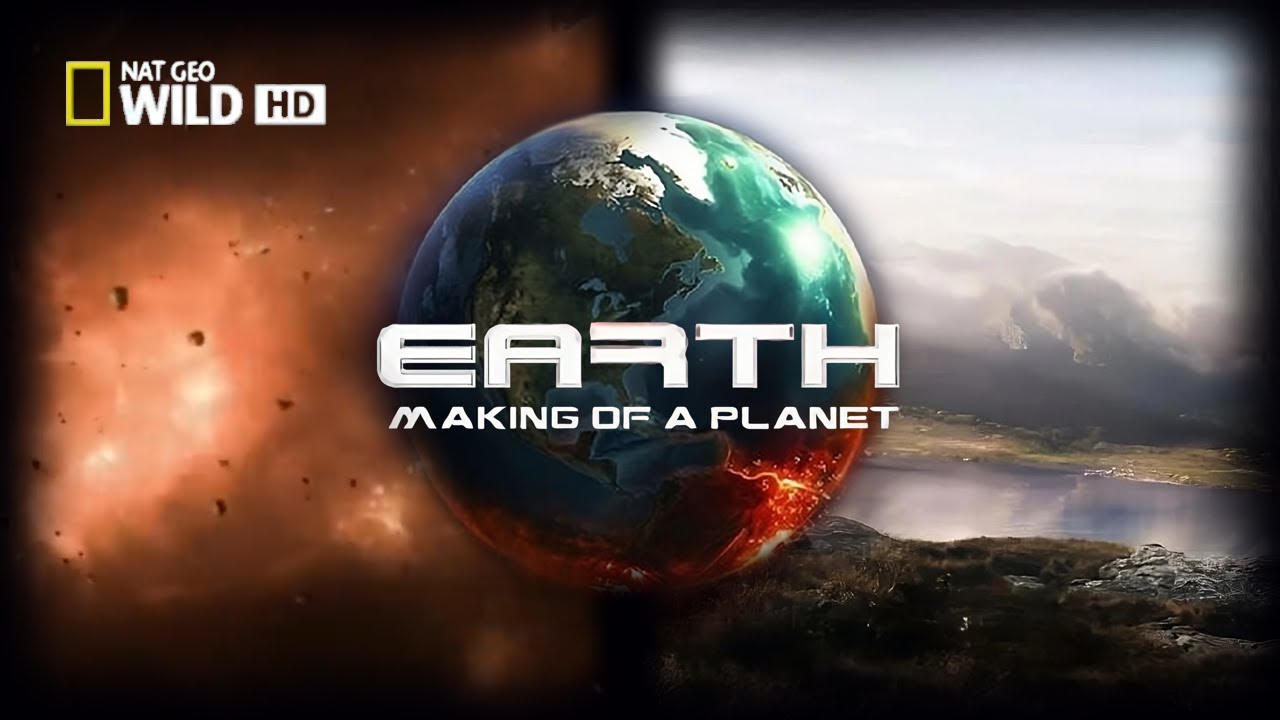
I’m the sort of person that enjoys watching a good documentary, with a particular softs spot for animals and wildlife. However, my favorite title is easily National Geographic’s 2011 Earth: Making of a Planet, available in full on multiple YouTube accounts:
The first time I watched it, I was absolutely stunned by the theory it set forth:
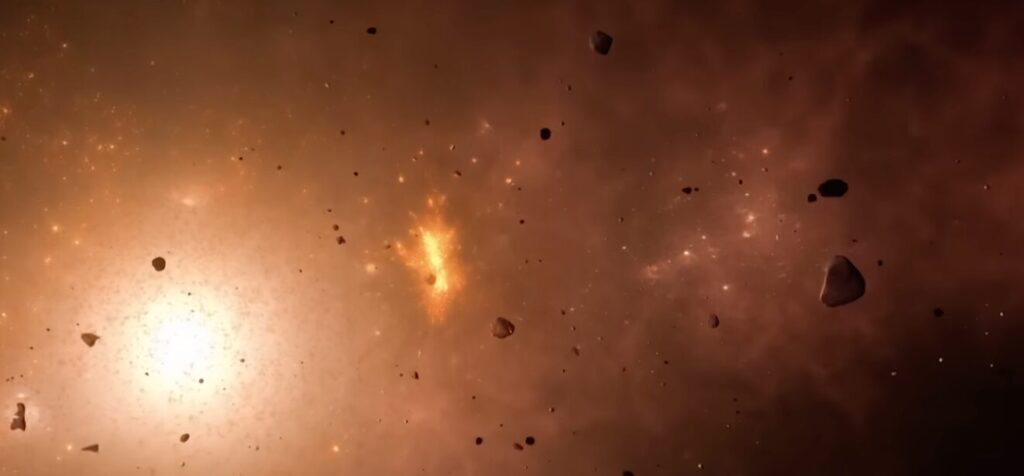
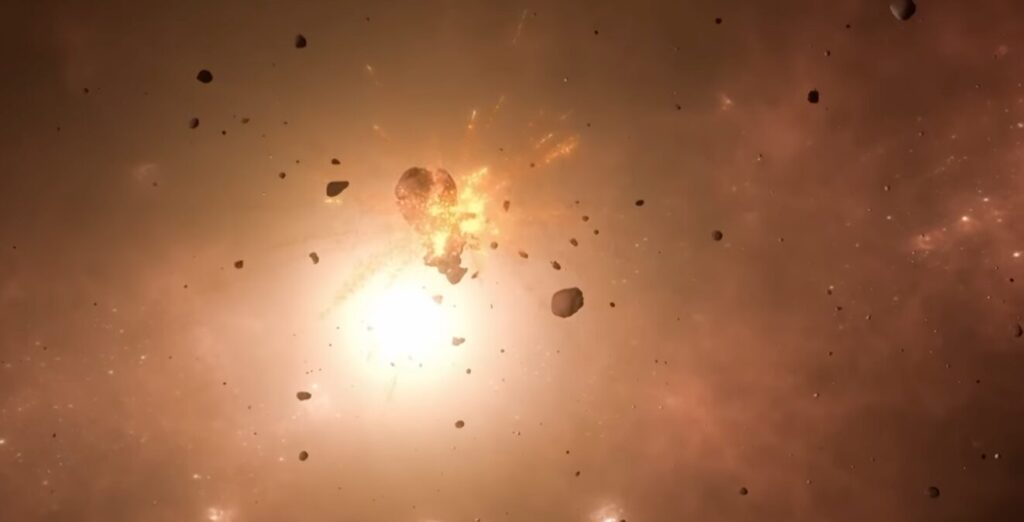
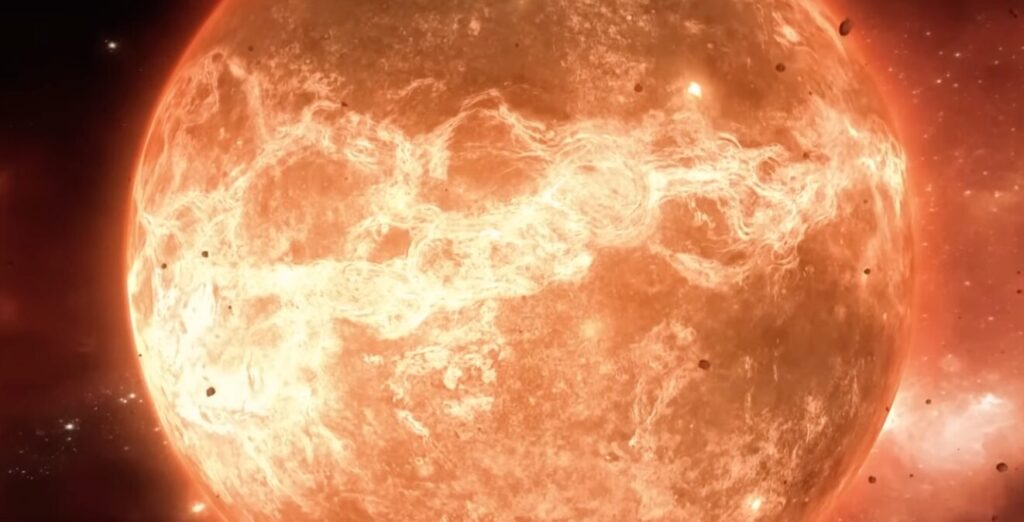
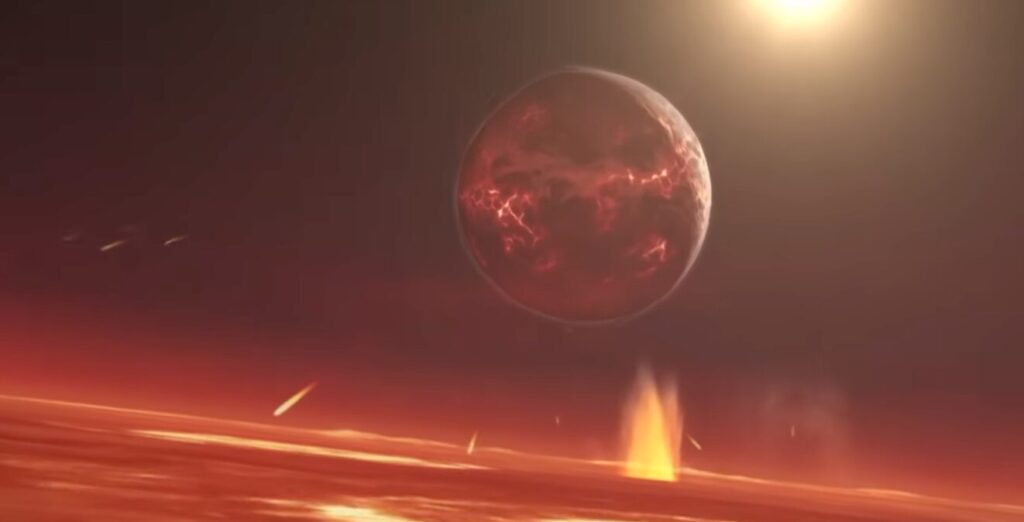
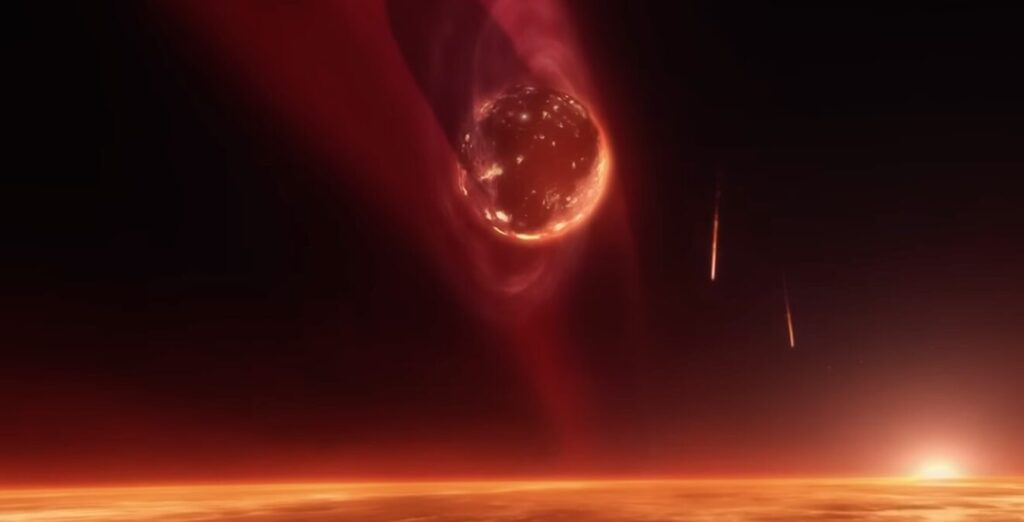
On one hand, it’s a logically and scientifically plausible explanation as to how life on Earth came to be after the formation of the Universe after the Big Bang. On the other, it really puts into perspective the serendipitous nature of the existence we all take for granted.
In all of the infinite vastness that is outer space, enough debris scattered in the same direction in order for it to accrete from dust into rocks into planets. Also, that the laws of physics and the nature of gravity in our reality function as they do, allowing for the accretion process to even be possible.
Then, those planetary bodies, still in the infinite vastness of space, happen to come close enough to collide. At the right mass and velocity so as to leave a still-intact Earth and an orbiting moon.
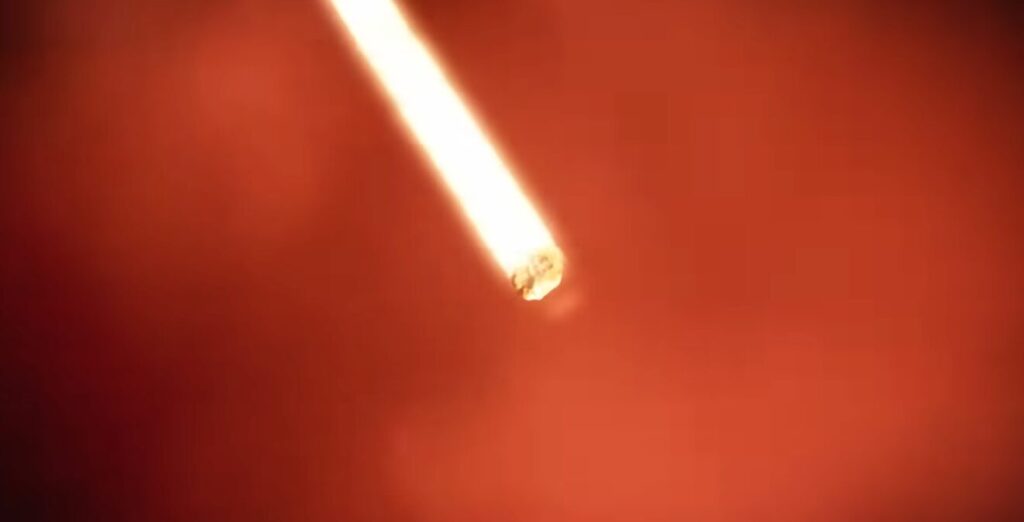
Then, still in the infinite vastness of space, meteorites that just so happened to be carrying water encased in salt crystals in the numbers to last 25+ million years also had to hit the planet at the right mass and velocity so as to deliver their payload without splitting it apart.
That this entire sequence of events happened to take place against the backdrop of infinity is effectively to have won the existential lottery multiple times against immeasurably unfavorable odds—not only in the formation of the planet, but also the nature of biology and evolution that allowed for planets, animals, and the intellectual self-aware capacity of the human mind to come to pass.
In contrast to the Catholic creationism I grew up with, this scientific explanation lacks the comfort of a tailor-made reality in only seven days, nor the promise of an afterlife. Existence is but an anomaly of probabilities, and after death we’ll simply return to the state of not being we held before we were born.
While that may seem bleak at face value, it does evoke more Eastern-oriented philosophies on accepting the transient nature of reality. Because we are here in this world against infinite odds with no guarantee that anything comes beyond our mortal lifetime, it is all the more imperative for to actively appreciate the time we (and all other living beings) have on this Earth and to remember that life is by no means guaranteed.